GHK-Cu begins when copper joins the peptide
GHK and its copper complex deserve separate entries. A curious enzyme result persuaded me; the skin, hair and gene papers make the distinction even more useful.
Copper-dependent MMP-2 expression
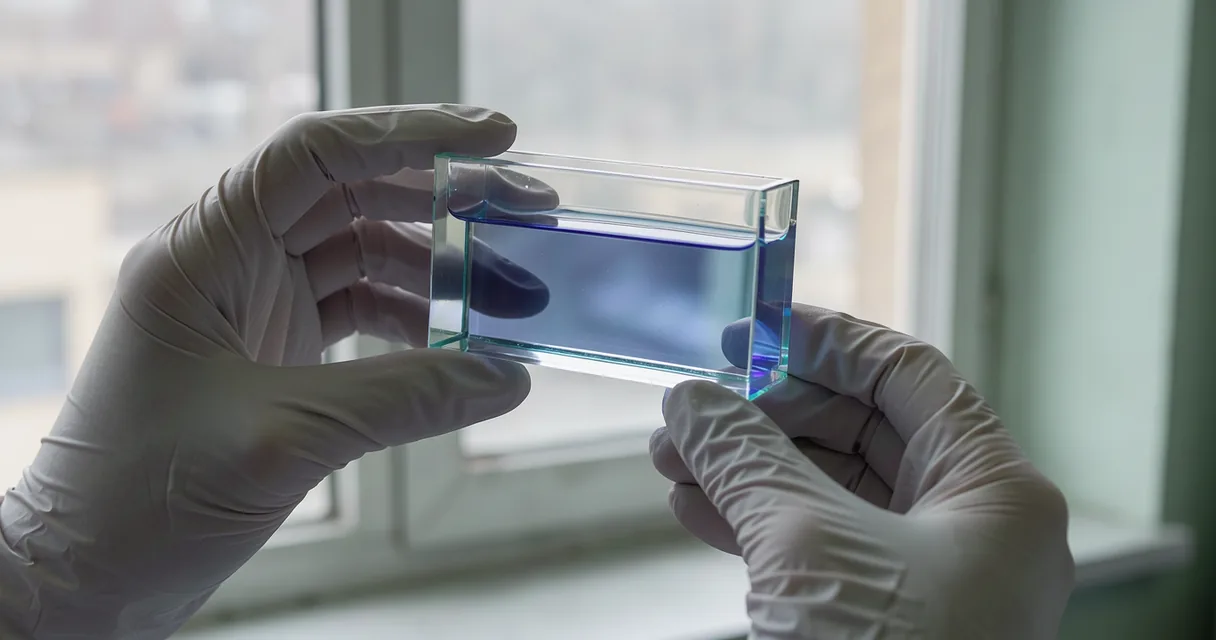
I expected a copper peptide's most interesting trick to involve making collagen. Instead, the experiment that won me over involved an enzyme that helps take the surrounding tissue apart. In Simeon and colleagues’ fibroblast cultures, GHK-Cu increased MMP-2 expression; plain GHK did not reproduce the effect. The cells also increased TIMP-1 and TIMP-2, proteins that restrain this family of tissue-cutting enzymes.
That is a wonderfully inconvenient finding for a simple ‘more collagen’ story. The cells were changing the machinery of turnover, including some of its brakes. I take the copper-dependent difference seriously because it gives this compound a particular behaviour in a particular experiment. It leaves a much more interesting question than whether copper peptides are broadly good for skin: how does a tissue coordinate making material with clearing it away?
The result came from cells in culture. The mechanism page follows that enzyme finding into the surrounding chemistry.
GHK copper peptide: the compound
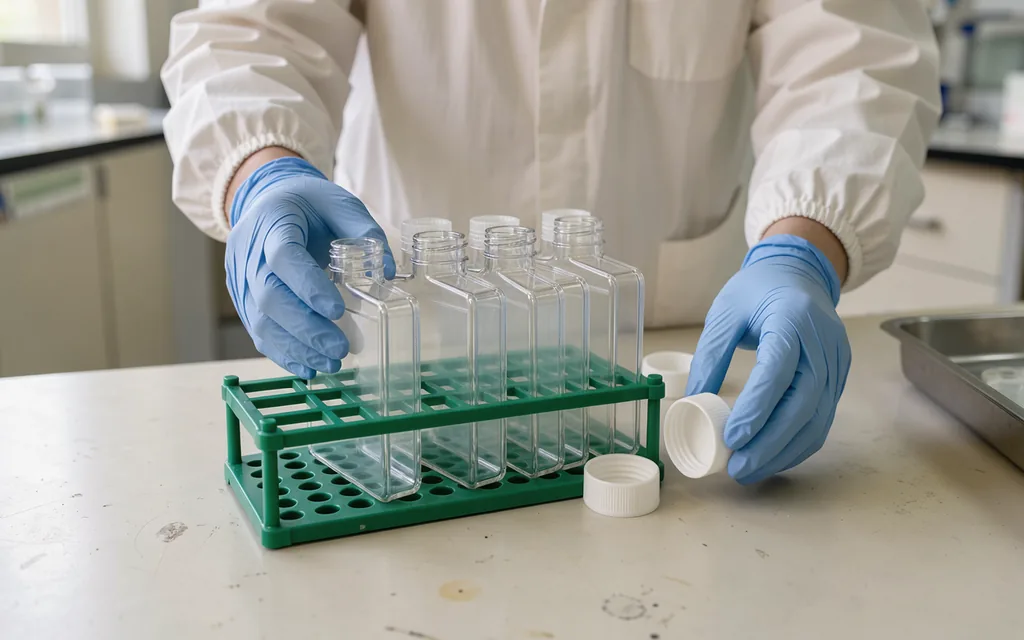
GHK abbreviates glycine, histidine and lysine, a chain of three amino acids. Joining it to copper produces GHK-Cu. The skin-regeneration review gives the two forms different molecular weights: 340.38 for free GHK and 402.92 for its copper complex. Copper Tripeptide-1 is the cosmetic ingredient name for GHK-Cu; prezatide copper is another name for the complex.
‘Compound’ is the useful word here. Combining the peptide and the metal changes the chemical entity available to the experiment. I have become fussy about that small suffix because so much of the literature wanders between free GHK, copper-bound GHK and chemically modified relatives. Their names sound like near neighbours. Their results require separate entries.
GHK itself was isolated from human plasma by Loren Pickart in 1973, in work on protein synthesis by aged liver tissue. The history is intriguing, though the later copper-dependent enzyme result does more to justify separate chemical entries for me.
Skin, hair and the other entries
For copper peptide skin research, the collagen response in cultured fibroblasts remains a precise starting point: synthesis increased without an increase in cell number. Small topical studies later reported changes in firmness and wrinkles. The skin and wound pages put those results alongside a less enthusiastic post-laser finding.
Copper peptide hair growth takes a different turn. The controlled human trial tested a complex of GHK and 5-aminolevulinic acid. Another often-cited follicle paper tested AHK-Cu. Those are interesting entries in their own right, and the hair research gives each its actual name.
The most expansive gene claims concern GHK in cell-derived gene-expression data. Small experimental disagreements make me enthusiastic about this subject. An all-purpose rejuvenation story loses those differences remarkably quickly.
Copper peptide benefits and safety
The appeal is understandable: collagen production, tissue turnover and repair signals turn up repeatedly in the experimental literature. The human evidence is concentrated in small topical studies, while systemic GHK-Cu lacks validated human pharmacokinetic data. The recent topical review also describes the stubborn delivery problem at intact skin.
The effects and safety page covers irritation, pigment concerns and anecdotal accounts. Study concentrations stay with the test systems that used them. Neither a familiar cosmetic ingredient name nor an impressive cell result supplies a personal treatment plan.